Common Leys Farm Campus Open Day
If you're interested in studying Equine, Agriculture or Animal Care, come along to our Open Day on Saturday 17th October from 10:00am – 2:00pm
If you're interested in studying Equine, Agriculture or Animal Care, come along to our Open Day on Saturday 17th October from 10:00am – 2:00pm
Search our website for news, courses, and general information
19th May 2026
National Knife Crime Awareness Week marks an important opportunity to come together and help create a safer future for young people. Founded by the Ben Kinsella Trust, the campaign aims to tackle knife crime and promote long-term prevention through education, awareness and community action.
Police talk highlights knife crime law and its consequences
Maddie Highmoor, Police Community Support Officer (PCSO) for the Abingdon Campus, spent a day highlighting the legal aspects of knife crime to our learners, outlining current UK legislation, police powers, and the serious consequences of carrying weapons.
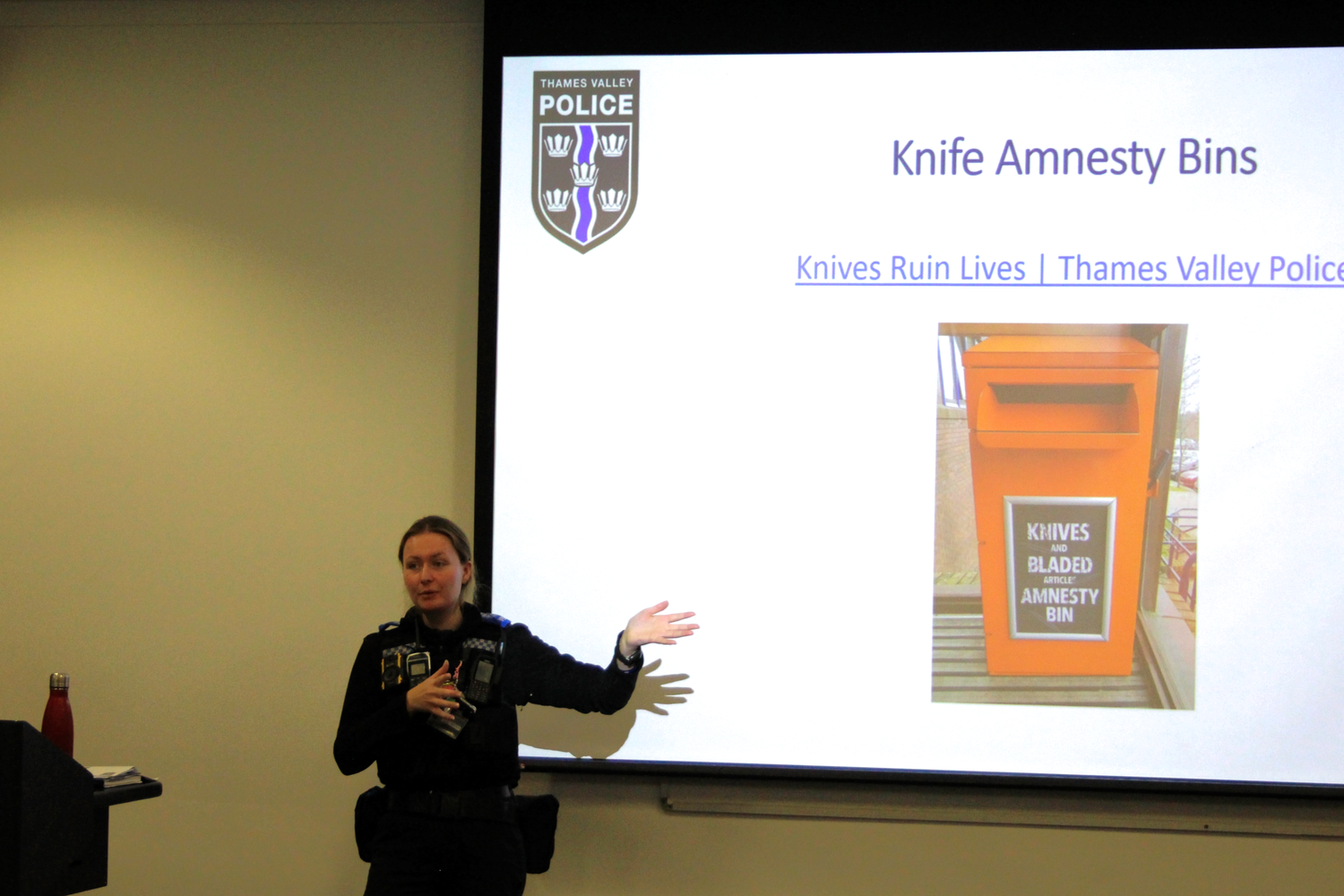
During the session Officer Highmoor talked about what constitutes an offensive weapon, how the law applies in different settings, and why collectables can still be illegal. She explained that carrying an offensive weapon in a public place without a lawful reason is a criminal offence punishable by up to four years in prison. Other topics discussed were strict age restrictions, recent legal changes, the growing issue of online weapon purchases, and stop-and-search powers.
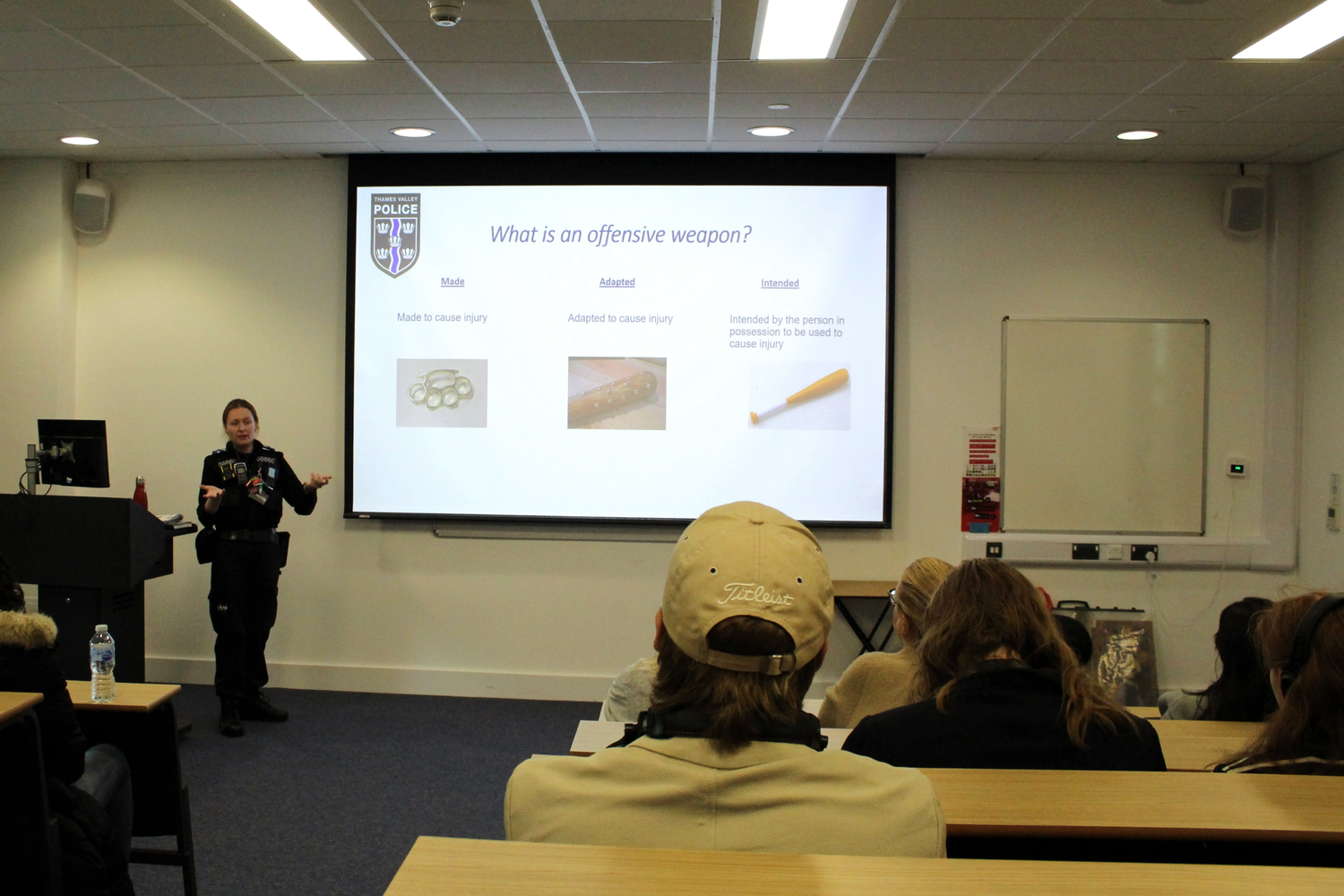
The talk concluded by stressing the severe consequences of knife possession; resulting in arrest, criminal records, and sometimes imprisonment. Students were encouraged to play a role in preventing violence by using knife surrender schemes and reporting concerns.
Core sessions
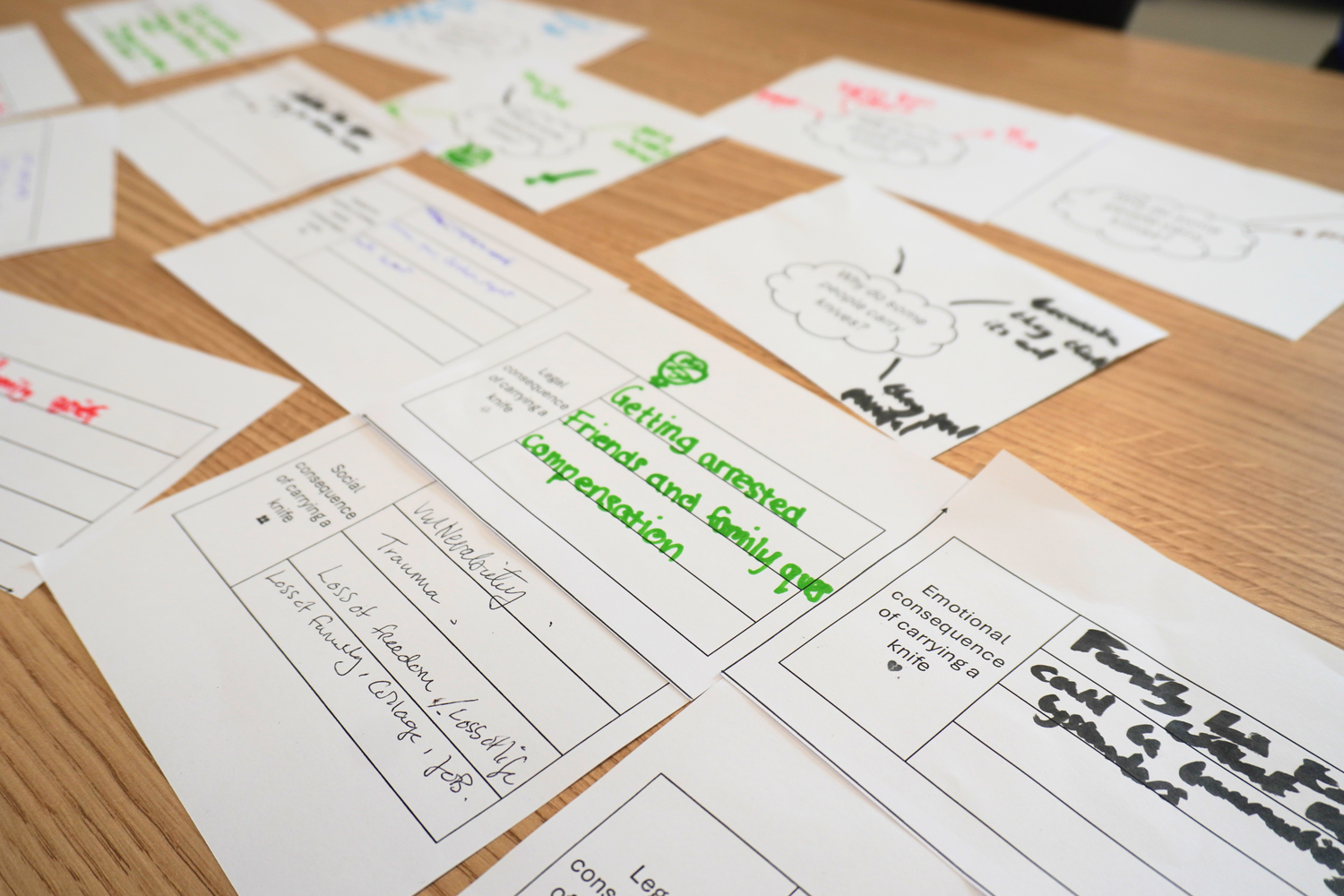
Learners also participated in a series of core sessions designed to highlight the legal, physical, and social consequences of carrying a weapon. These sessions, led by Progress Coaches, combined hard-hitting statistics with personal stories and film discussions to provide a comprehensive understanding of the issue.
Legal realities and physical impact
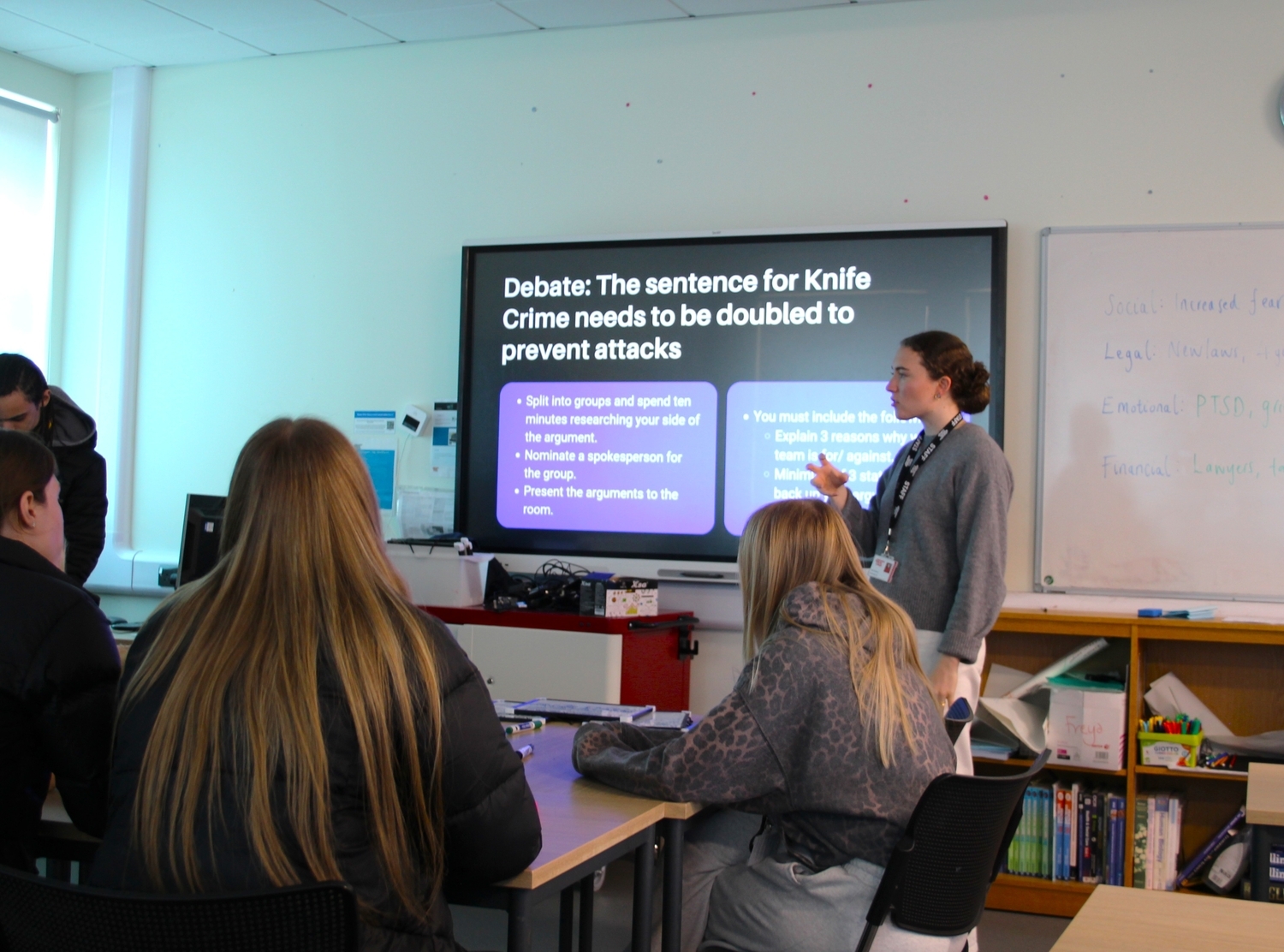
The opening session reinforced the serious legal consequences of carrying a knife and the life-threatening reality of knife injuries. The session also explained joint enterprise and challenged common misconceptions around knife crime. One group prepared a debate on whether the sentence for knife crime should be doubled to help prevent attacks.

The power of choices
Using a film scenario, learners examined how small decisions and everyday conflicts can escalate into serious violence. Learners discussed how different choices could have changed the outcome and explored themes including respect, equality and the way young people are represented in the media.
Creative perspective
Learners watched the short film The Orphan by Leo Powell and took part in open discussions about its themes and emotional impact. The session focused on the human consequences of knife crime, encouraging students to share their thoughts and consider the lasting effects violence can have on families, friends and communities.

Awareness and myth-busting
Learners discussed the most common misconceptions around knife crime, and were challenged to match the facts with the figures. Discussions around 'joint enterprise' raised awareness of the risks of being merely associated with knife crime. Practical advice around making positive choices, walking away from conflict and seeking support through community groups, was offered.

The week served as a powerful reminder of the importance of education, awareness and shared responsibility in preventing knife crime. By encouraging open discussion and giving learners a greater understanding of the real-life consequences, the sessions reinforced that awareness and community cooperation are essential in tackling knife crime and helping to create safer communities for everyone.