Search our website for news, courses, and general information
23rd Apr 2026
As part of its ongoing commitment to sustainability, the College proudly marked World Earth Day with a vibrant, student‑centred programme of activities delivered across all campuses. Led by the Sustainability Committee and developed collaboratively with students, the celebrations demonstrated how environmental awareness can be transformed into practical skills and meaningful action.
The aim of the programme was clear:
“To empower the college community (students and staff) through an immersive Earth Day programme that translates environmental awareness into relevant skills and measurable sustainable practices, fostering a campus‑wide culture of sustainable responsibility.”
This vision was brought to life through a carefully planned schedule of interactive events, talks, and hands‑on activities that took place throughout the day and, in some cases, across the week.
Sustainability in action across campuses
Across all campuses, a wide variety of activities were hosted to engage students and staff in creative, inclusive, and accessible ways, ensuring everyone could take part.
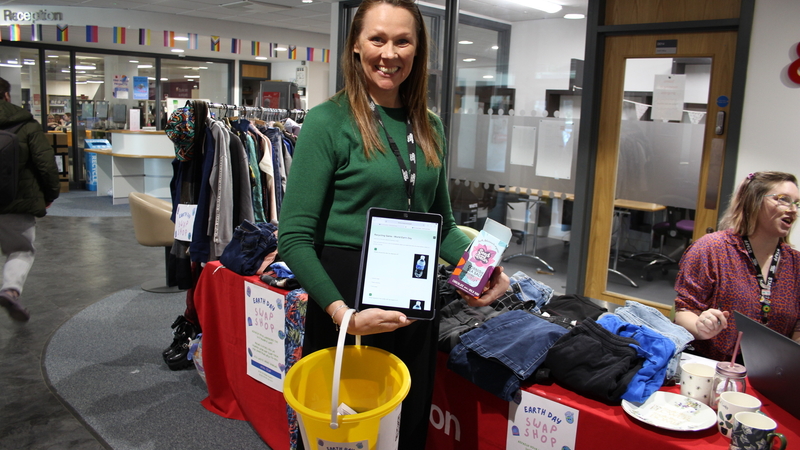
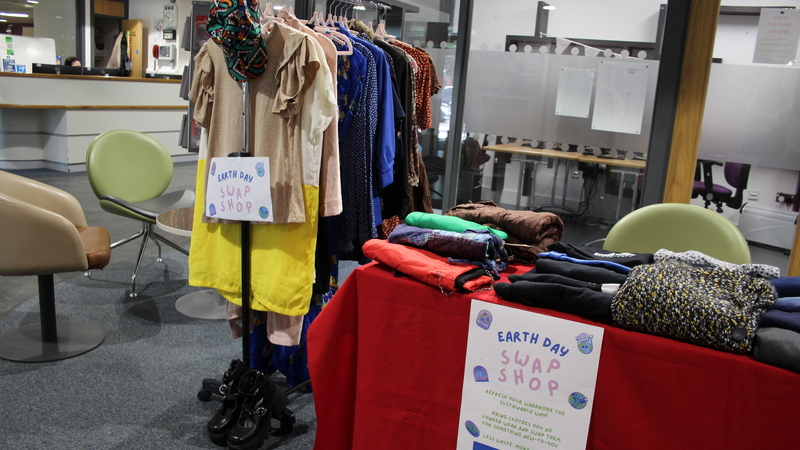
Central to the celebrations was the Swap Shop, where students and staff were encouraged to donate and exchange items. This initiative promoted reuse, helped reduce waste, and sparked conversations around mindful consumption, demonstrating how small behavioural changes can make a meaningful difference.
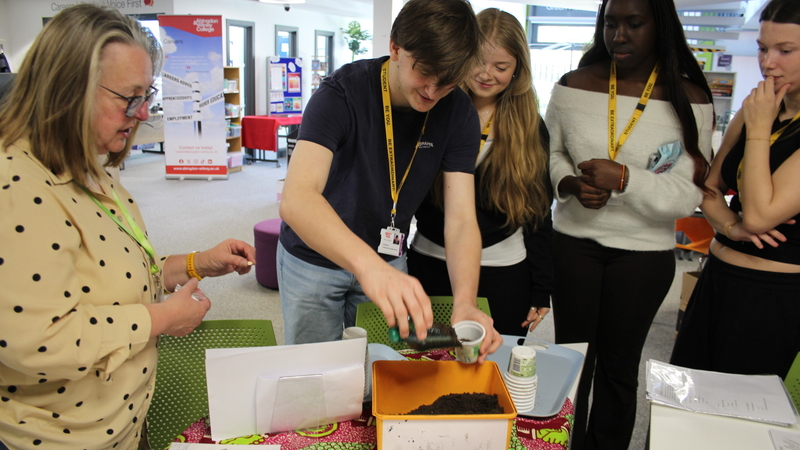
Throughout the day, interactive recycling games in college canteens provided a fun and educational way to reinforce correct waste disposal. Recycling challenges and bin‑sorting activities helped develop practical skills while keeping sustainability engaging and approachable.
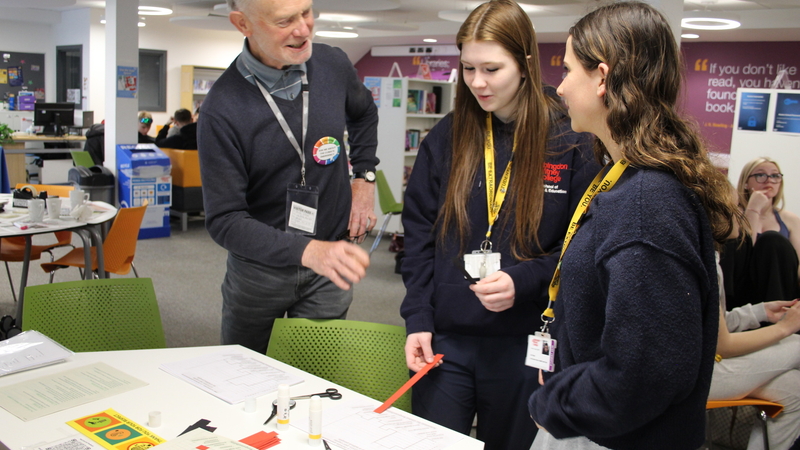
Food choices were also a key focus, with a vegetarian lunch menu offered as part of the programme. This encouraged the college community to explore the environmental benefits of plant‑based meals and reflect on the wider impact of everyday dietary decisions.
Learning beyond the classroom
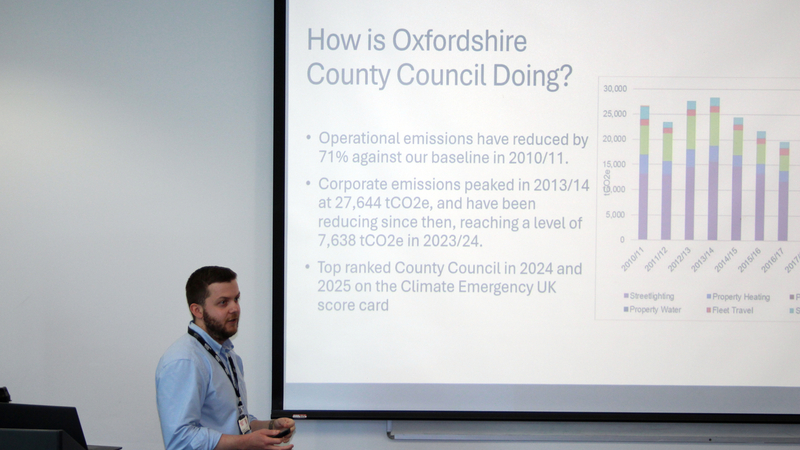
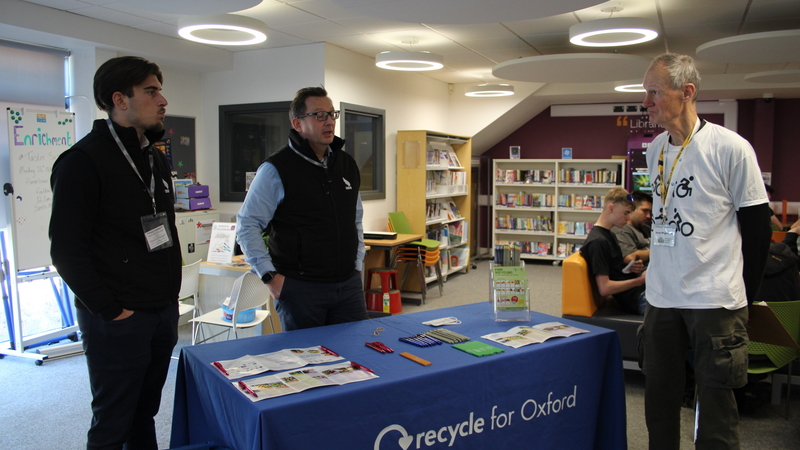
These sessions provided valuable insight into the work being undertaken by the council to meet net zero targets, as well as the practical challenges involved in achieving them.
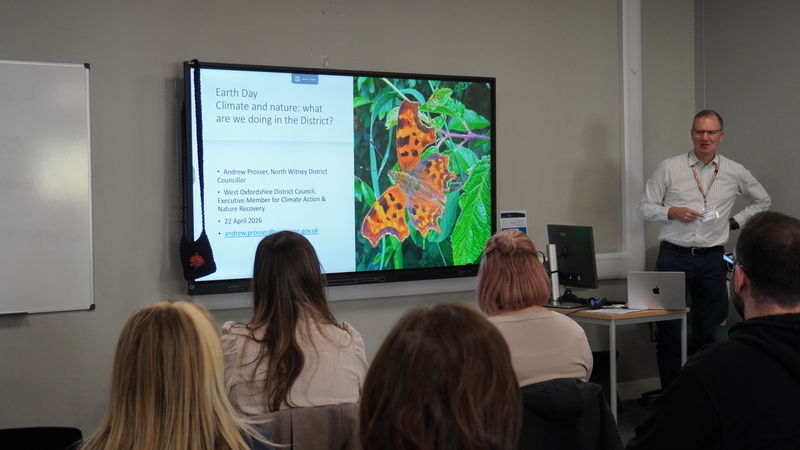
The discussions explored environmental issues facing the local community and how current and future government initiatives aim to support climate action at both a regional and individual level. The sessions were highly informative and engaging, featuring a two‑way dialogue that encouraged participants to share ideas, ask questions, and reflect on how both government and individuals can contribute to protecting and improving the local environment.
Sustainability learning extended beyond a single day, with core sessions delivered throughout the week by progress coaches. These sessions embedded environmental awareness into tutorials and curriculum‑linked discussions. During interactive activities, students explored the science behind greenhouse gases, gaining a clearer understanding of how everyday actions contribute to climate change.
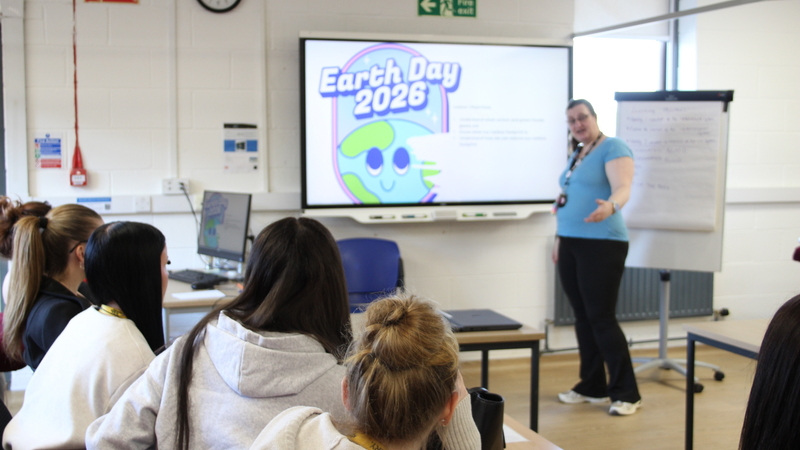
Students were encouraged to calculate and reflect on their own carbon footprint, considering factors such as travel, energy use, food choices, and consumption habits. Through discussion and guided tasks, they examined how individual behaviours contribute to global emissions, helping to make abstract climate concepts more personal and relevant.
Crucially, the sessions focused not only on raising awareness but also on empowerment. Students identified small, achievable changes they could make in their daily lives - such as reducing energy use, choosing sustainable transport options, cutting down on waste, or making more conscious purchasing decisions - and explored how these small steps can collectively create a much greater impact. This emphasis on realistic and practical choices helped students see sustainability as something within their control, rather than an overwhelming challenge.
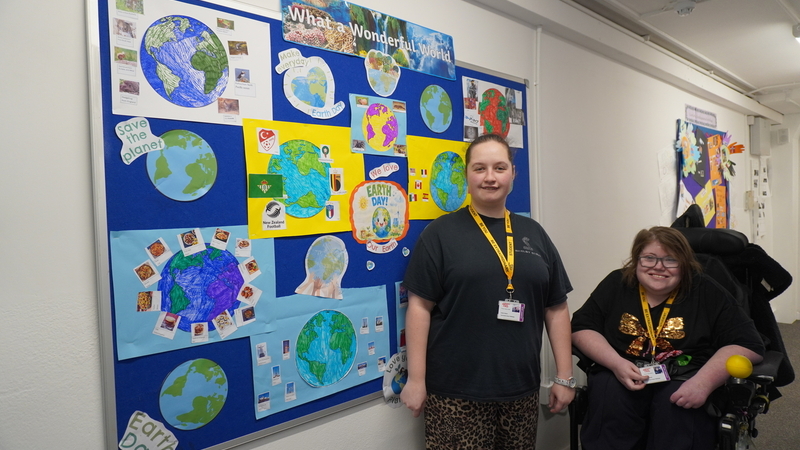
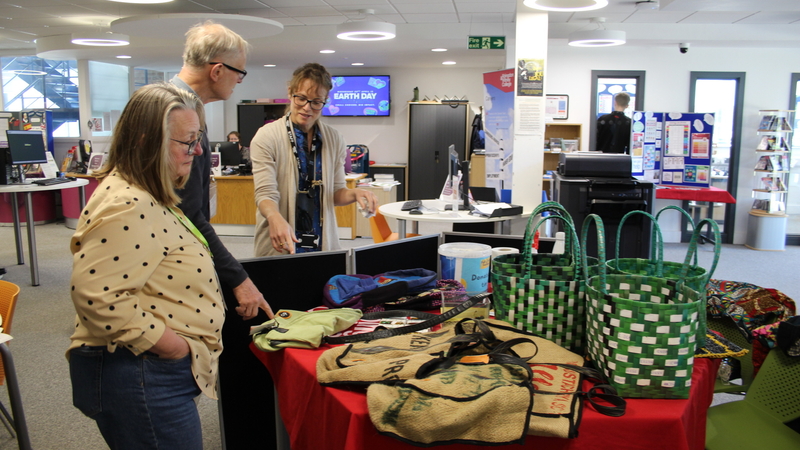
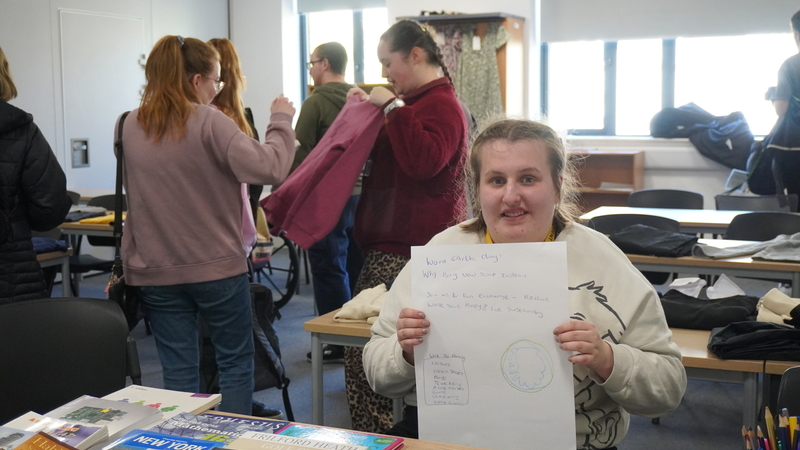
Students also played a key role in creatively presenting their learning through student‑led displays, which showcased imaginative ideas, reflections, and visual interpretations of sustainability themes. Alongside this, staff contributed structured information displays across college sites, reinforcing key sustainability messages and sharing important environmental facts. Together, these displays supported learning from the sessions, raised awareness across the wider college community, and encouraged students and staff to reflect on their own environmental impact throughout the duration of the event.
Nikita, who is one of the colleges' Sustainability Champion, said:
“Today has been a genuinely uplifting celebration of what our college community can achieve together. The Swap Shop has been a real highlight, with students and staff enthusiastically embracing the chance to reuse, share and rethink how we consume – showing that small, practical actions can have a big impact. From hands‑on activities and creative student work to engaging talks with local councillors, the day has been full of energy, curiosity and real community spirit. It’s been a powerful reminder that sustainability doesn’t have to be overwhelming; it can be simple, shared and genuinely impactful.”
Building a culture of sustainable responsibility
A key strength of this year’s World Earth Day celebrations was the active involvement of students - not only as participants, but as collaborators in shaping the programme. By combining awareness‑raising with practical decision‑making, the event encouraged small, measurable changes that contribute to a more sustainable college environment.
The activities aligned closely with college values, linking sustainability to employability, community engagement, and personal responsibility. From reducing waste and rethinking consumption to understanding local environmental leadership, World Earth Day offered something meaningful for everyone involved.
As a result, the celebrations did more than recognise the importance of protecting the planet - they strengthened a shared commitment to long‑term sustainable practice, both on campus and beyond.