Common Leys Farm Campus Open Day
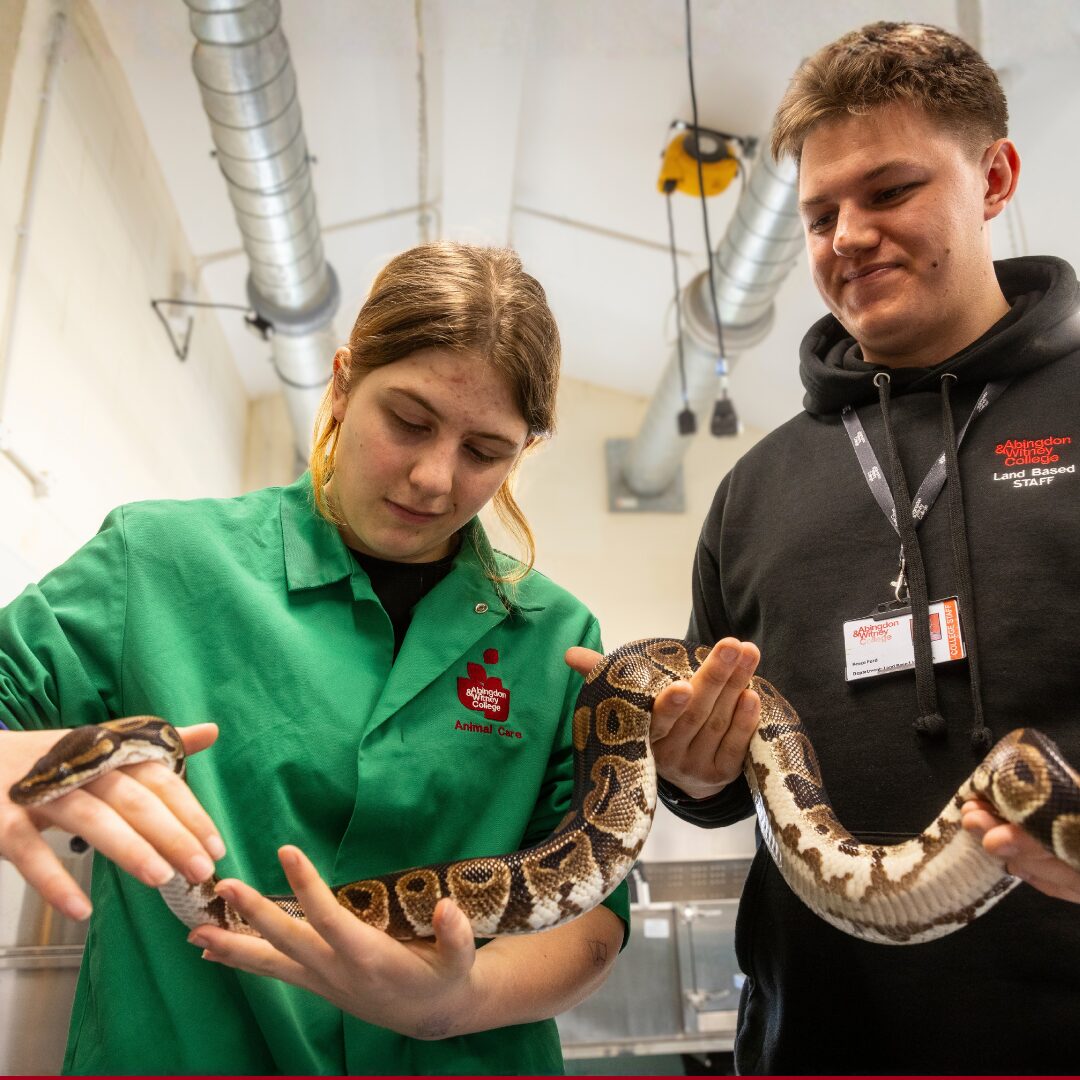
If you're interested in studying Equine, Agriculture or Animal Care, come along to our Open Day on Saturday 17th October from 10:00am – 2:00pm
If you're interested in studying Equine, Agriculture or Animal Care, come along to our Open Day on Saturday 17th October from 10:00am – 2:00pm
Search our website for news, courses, and general information
Course code: P03340
Subject area: Electrical Installation and Maintenance
Study level: Apprenticeship
Course level: 3
Apprentices will develop an understanding of mechanical and electrical systems used in door automation, including drive systems, sensors, switching technologies, and safety mechanisms. They will learn how these components work together to ensure safe, reliable, and efficient operation of powered doors in a wide range of environments such as hospitals, transport hubs, retail spaces, and commercial buildings.
Duration: 24 months training period, plus 3 months for End Point Assessment
Delivery model:
Blended delivery approach, including:
• Workplace (on-the-job) training
• College-based learning (7x 1 week blocks)
• Online learning and portfolio development
• Minimum 20% off-the-job training
• Ongoing progress and wellbeing reviews with a dedicated training coordinator
• 4 assessor site visits per year
• Support from a qualified trainer/assessor throughout
End Point Assessment:
The EPA is made up of three assessment methods:
• Multiple-choice knowledge test
• Practical assessment with questioning
• Professional interview underpinned by a portfolio of evidence
• Install and configure powered pedestrian door systems
• Interpret technical drawings, manuals, and specifications
• Apply knowledge of electrical systems, sensors, and drive mechanisms
• Carry out routine maintenance and servicing
• Diagnose faults and complete repairs
• Commission and test door systems for safe operation
• Work in compliance with legislation and industry standards
• Automatic Door Engineer/Technician
• Service and Maintenance Engineer
• Installation Technician
Further progression opportunities include:
• Specialist roles in industrial doors, gates, or access control systems
• Advanced (Level 3) engineering or building services apprenticeships
• Supervisory or senior technician roles
• Interest in engineering, construction, or building services
• Good practical and problem-solving skills
• Employment within a relevant role
• Functional Skills in English and Maths (if required)
• Industry-relevant health and safety or equipment training (where applicable)