Common Leys Farm Campus Open Day
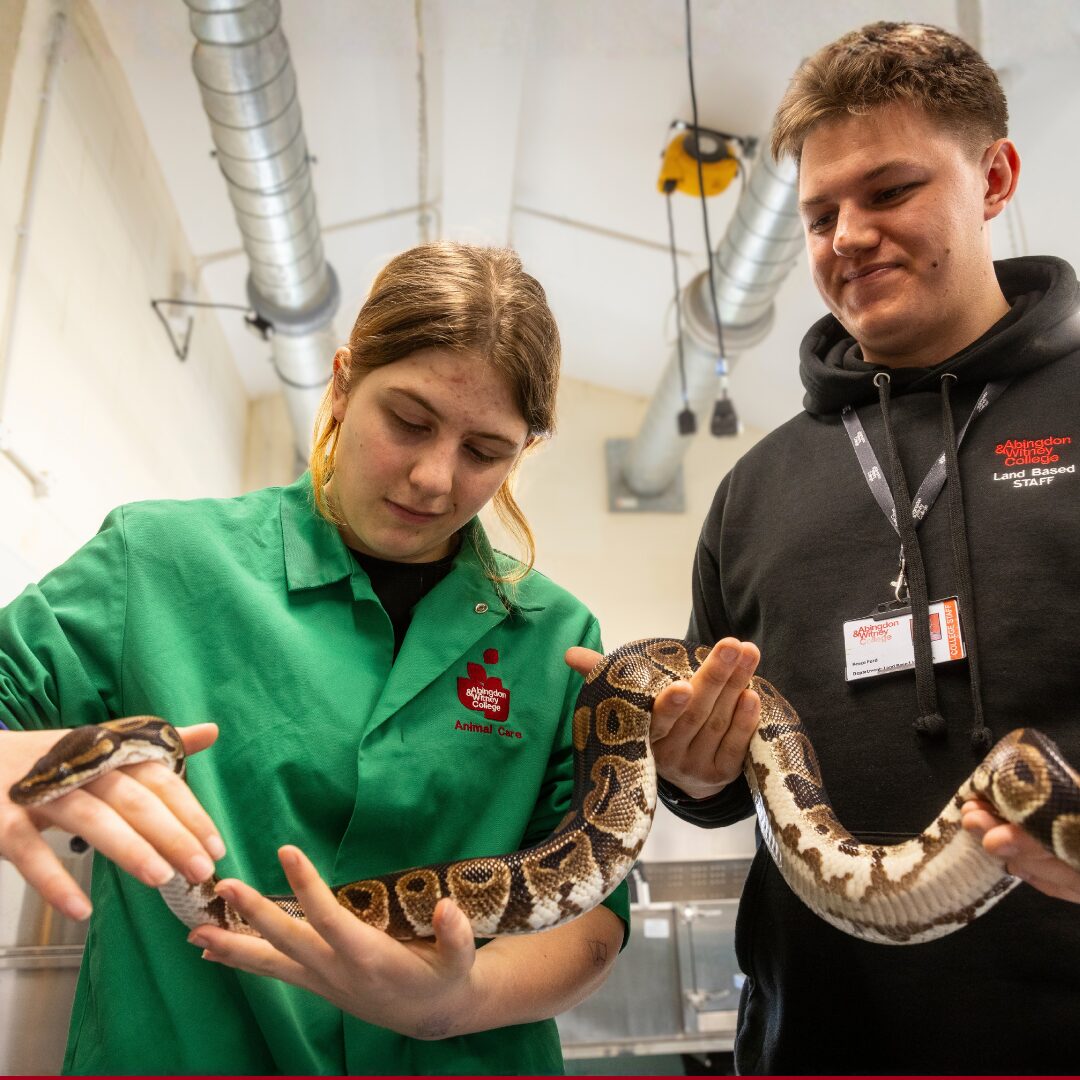
If you're interested in studying Equine, Agriculture or Animal Care, come along to our Open Day on Saturday 17th October from 10:00am – 2:00pm
If you're interested in studying Equine, Agriculture or Animal Care, come along to our Open Day on Saturday 17th October from 10:00am – 2:00pm
Search our website for news, courses, and general information
Course code: P12573
Subject area: Construction
Study level: Part Time
Course level:
Course time:
09:00 - 16:00
Days of week:
Wednesday
Course date:
6th Jan 2027 - 6th Jan 2027
Course location:
Oxford Construction Skills CentreAs part of your course we may organise trips to assist you with your learning. Trips are optional, and you will not be penalised if you choose not to participate.
There are bursaries available to help you with other course costs. Call 01235 216 212 for more information.
The rules on fee reduction are complicated and we would encourage you to talk to our Admissions staff on 01235 216 400 to discuss your options. You can find more information on our Fees and Bursaries page - search "Fees and Bursaries" at the top of the page.
£150.00